



Mon - Fri 8:00am - 6:00pm

Approval for a subclass 482 Visa is a major milestone for immigrants who wish to work in the Australian region. Yet many visa holders’ next concern is to bring their family members with them. The subsequent entrant visa 482 made it possible for the spouse and children of individuals residing in Australia.
To help you migrate with your family members, this article explains how the subsequent entrant visa stream works, who is eligible and the processing time.
Latest Blog: Boost Your 491 Visa Chances: Meeting All Core Requirements
The 482 subsequent entrant visa is made for the family members of subclass 457 and 482 visa holders. It is often applied during the application of the main applicant. If the subsequent application is not submitted with the main applicant, a separate application is allowed. With this visa, applicants can do the following things:
The subsequent visa application is available for specific relatives of the main applicant, some of them include:
The 482 visa subsequent entrant‘s eligibility is based on how they are associated with the primary visa holders and adheres to the following conditions:
Latest Blog: Top 8 Australian PR Visas Every Applicant Should Know
The charges for the 482 subsequent entrants are based on the number of dependents and their age. The 482 dependent visa processing time.
The subsequent entrant visa cost is calculated as per the stream in which the primary visa was granted. These streams include the Core Skills, Specialist Skills, or Labour Agreement stream.
Here’s the quick look at the typical 482 subsequent entrant visa fee for a base application and additional applicants:
| Applicants | Costs (AUD) |
| Base Applicant | $3,210 |
| Additional applicant over 18 years of age | $3,210 |
| Additional applicant under 18 years of age | $805 |
Skills In Demand visa (482) Core Skills:
1. 50% processed in 63 Days
2. 90% processed in 9 Months
Skills In Demand visa (482) Labour Agreement:
1. 50% processed in 6 Months
2. 90% processed in 7 Months
Skills In Demand visa (482) Nomination:
1. 50% processed in 29 Days
2. 90% processed in 9 Months
Skills In Demand visa (482) Specialist Skills:
1. 50% processed in 15 Days
2. 90% processed in 55 Days
Skills In Demand visa (482) Sponsorship:
1. 50% processed in 5 Days
2. 90% processed in 5 Months
The 482 subsequent entrant visa processing time 2026 stays between 30 and 47 days. The exact duration of the application approval depends on the following factors:
To get a detailed view of the processing time for 482 subsequent entrant visas, you can also reach out to migration experts.
You must adhere to all the subsequent entrant visa conditions for the work rights and study allowance. Subsequent entrants must comply with all visa conditions attached to the visa grant, such as conditions related to work, study, health insurance and lawful behaviour. As opposed to the primary visa holder, subsequent entrants are generally not restricted to a specific occupation and may work for any employer, unless otherwise stated on the visa grant notice.
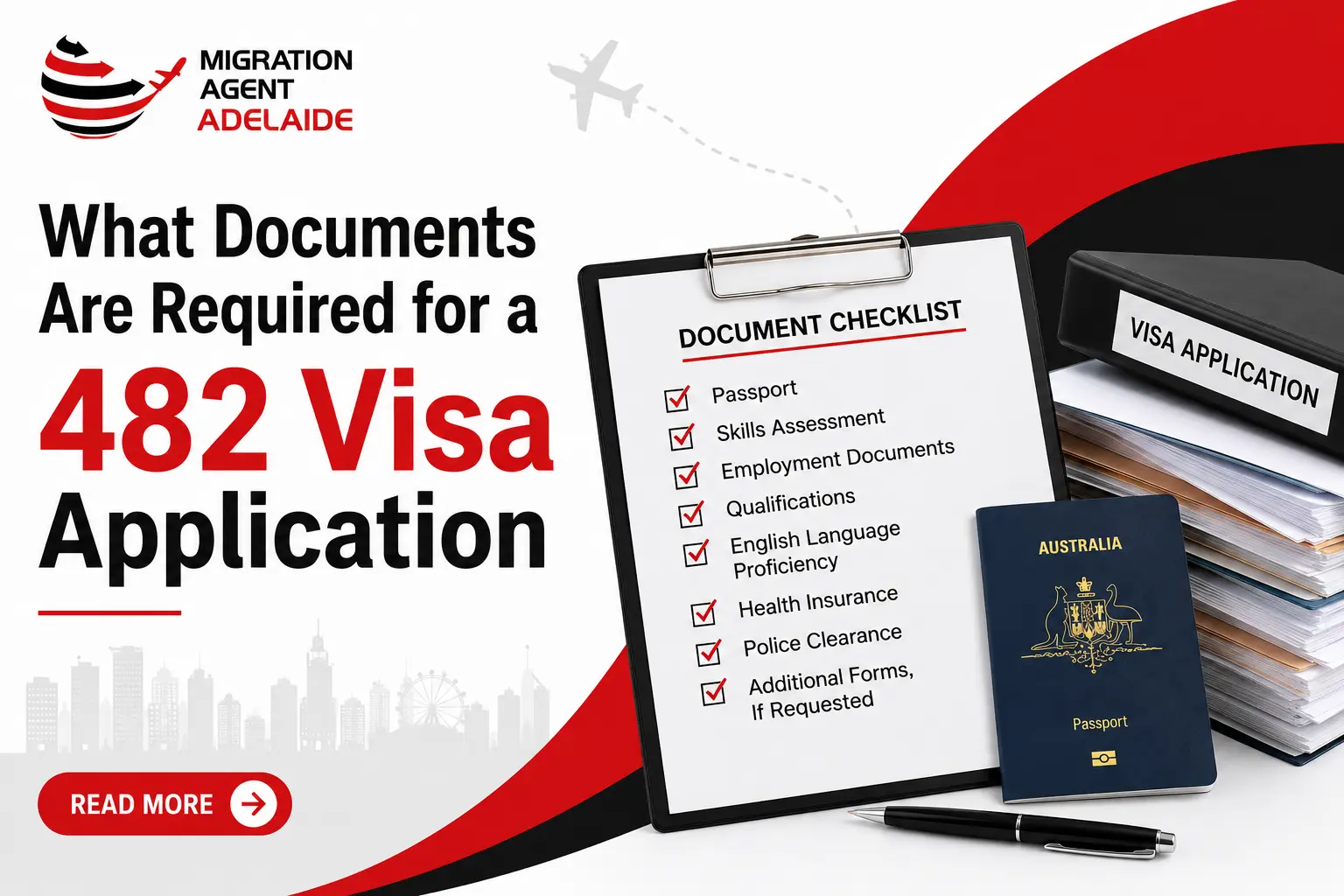
The 482 subsequent entrant visa requirements are categorised in terms of identity documents, relationship proof, and the following documents:
The application for the subsequent entrant visa is simple, yet there are a few challenges that can extend the subsequent entrant 482 visa processing time. Some of these challenges and their mitigation process are as follows:
The subsequent entrant visa may be delayed or refused if the applicant fails to provide sufficient evidence to demonstrate a genuine relationship with the primary visa holder. The most feasible way to address this challenge is to provide verifiable evidence, such as shared accommodation documents, joint bank accounts, shared bills or photos of family events. You can also submit documents like statutory declarations explaining the nature and history of the relationship.
Failure to meet health and character checks can lead to refusal or delays in visa application processing. To mitigate this concern, complete health examinations and collect police clearance certifications before applying for the 482 subsequent entrant visa. These checks are mandatory under Australian migration law and are closely assessed by the Department of Home Affairs.
Missing documents or inconsistencies between forms or supporting evidence may increase concerns about the applicant’s credibility. To mitigate such instances, applicants should cross-check all information for accuracy and consider help from migration experts to make sure documents are correctly labelled.
You may need to show proof of English proficiency if you live in a country in which English is a non-native language. Your English proficiency test results should not be more than 3 years old at the time you lodge your application. The test results for the English proficiency should be more than 5 points for tests like IELTS and 8 – 14 for TOEFL iBT.
The 482 subsequent entrant visa application may not proceed efficiently without the sponsoring employer’s consent to include the family member. Delays in application approval may occur if the sponsor does not provide confirmation on time or provides incomplete details. To mitigate such instances, you should inform the sponsor early and confirm their willingness to support the subsequent entrant. Besides that, ensure all sponsorship-related information is accurate and submitted promptly.
Migration agents play a crucial role in subclass 482 subsequent entrant applications by providing guidance throughout the visa application process. They assess your eligibility against Australian migration laws, identify potential risk, document preparation and ensure accurate lodgement of the visa application. Moreover, they can help you respond to requests for further information from the Department of Home Affairs and explain visa conditions.
While the subsequent entrant visa makes family migration achievable, the process requires careful attention in terms of eligibility, documentation, and visa conditions. To move forward with clarity and ensure compliance at every stage, seeking assistance from experts like a registered migration agent Adelaide can help you lodge your application with accuracy and a smoother outcome for your family’s Australian migration plans.